



















![Hosting the SCLA Casptone Mentor Dinner outside allowed for more attendees on September 27, 2021 at Silver Creek. This event would’ve usually been held inside. According to Lauren Kohn, a SCLA 12 teacher, “If we have a higher number of people, as long as we can host the event outside, then that seems to be keeping every[one] safe”.](https://schsnews.org/wp-content/uploads/2021/11/sxMAIGbSYGodZkqmrvTi5YWcJ1ssWA08ApkeMLpp-900x675.jpeg)


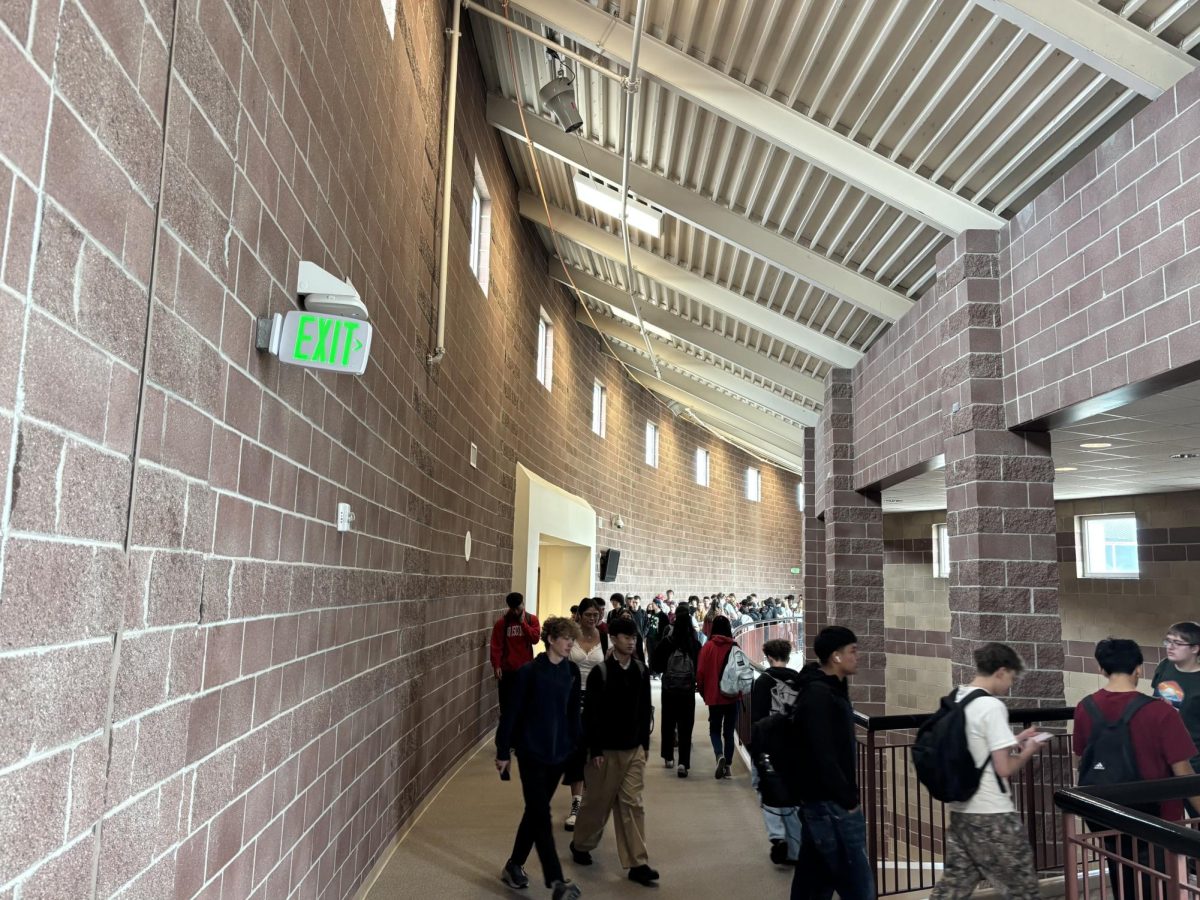
Every year, the halls of Silver Creek High School consume staggering amounts of energy—but a growing movement within the building is working to change that, one recycling and compost bin at a time.
Silver Creek is taking steps to offset the emissions it releases into the environment. There is an increasing recognition of the amount of energy the school emits. A strong need is emerging to address these problems, and many organizations, both within and surrounding Silver Creek, are developing solutions that are feasible for students.
Silver Creek has begun to address these challenges through various programs, such as focusing more on recycling. The St. Vrain Valley School District has partnered with organizations like Eco-Cycle with their Green Star Schools Program to identify where the most impactful changes can be made. One of the leaders on this program is Kathy Nguyen, the Green Star Schools Program Manager.
“When it comes to school, and just how much stuff we need to run a district in a school, there are so many ways that we can think about reusing, recycling, and repurposing a lot of the things that we have that are benefitting people,” Kathy Nguyen, the Green Star Schools Program Manager, said.
This partnership has helped shift thinking beyond just reducing energy use, reaching into how materials flow through Silver Creek on a daily basis. Staff and students are being encouraged to reconsider what gets thrown in the trash and what can be reused. Recycling and composting produce benefits beyond the environmental impact.
”By reducing the amount of waste that schools make, that supports sustainability goals in the environment, but [also] financially, as well,” Nguyen said. “The goal is that we are making less trash. [Which leads to] less trash services at school, and we’re just shifting that to be able to focus efforts on recycling better or composting.”
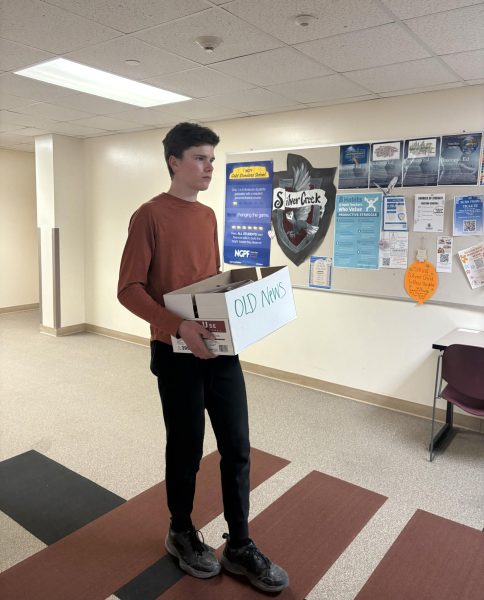
A financial improvement from the reduction of waste is reducing pickup frequency, which leads to fewer service charges per month. To understand where improvements are most needed, Silver Creek has taken a data-driven approach. Kelly Kinsman is the Executive Director of Building Services, which incorporates Energy and Sustainability, Environmental Health and Safety, and the Custodial Department.
“We’re currently doing a big trash audit, so we’re looking at our disposal and our diversion rates to recycling and composting, and trying to kind of bolster up a bit more support with those initiatives,” Kinsman said.
Beyond waste, energy consumption remains one of the most significant contributors to the school’s environmental footprint. It is just another place for improvement to happen and to lessen the impact Silver Creek has on the environment.
“From the utility and energy consumption standpoint, I think that we have the most ability [to reduce the district’s environmental footprint], those are things we can control,” Kinsman said.
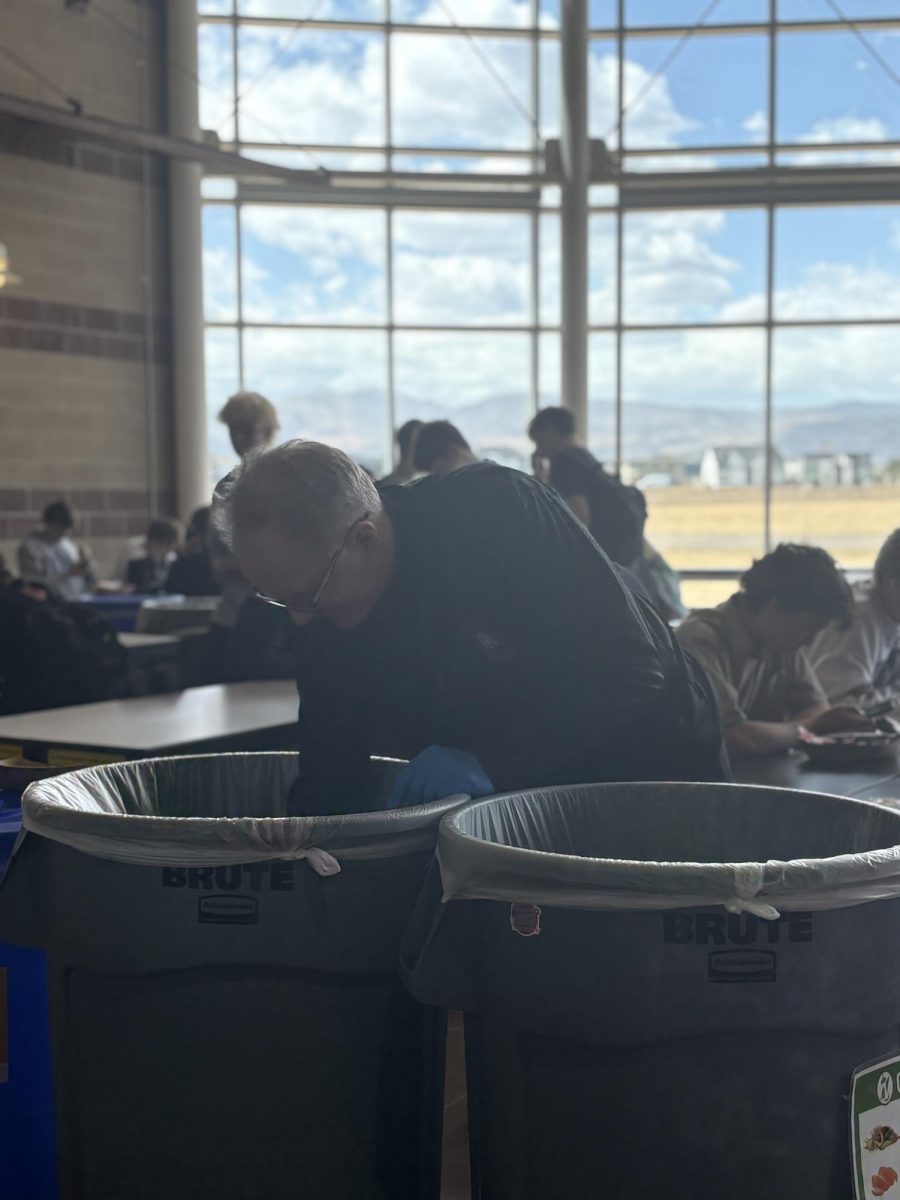
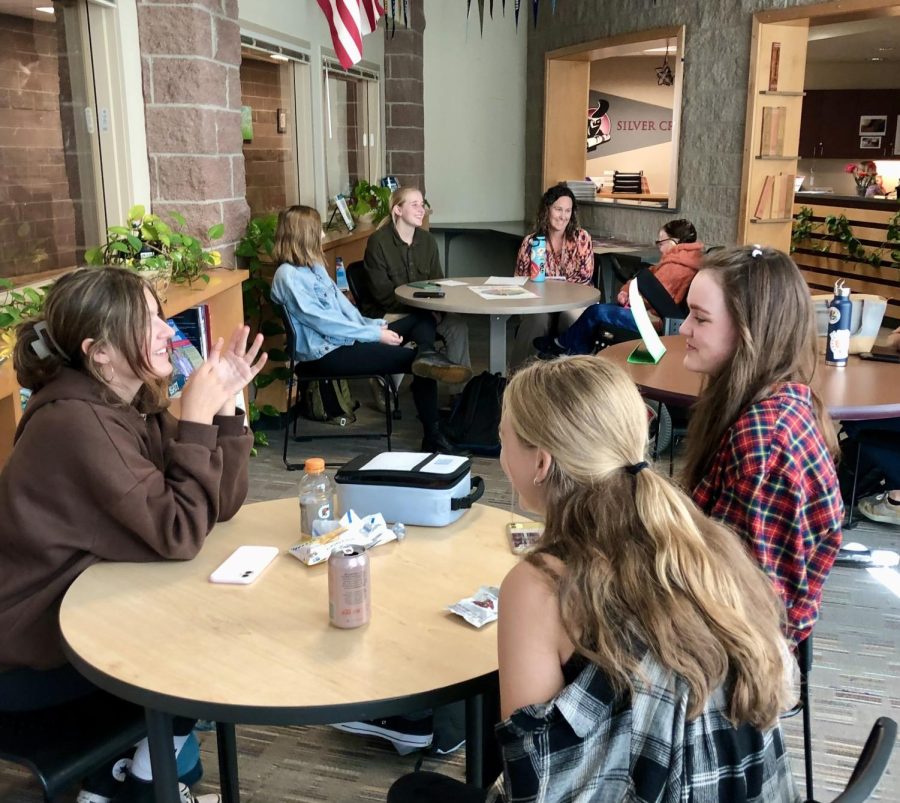
Those efforts are already visible in one of the school’s highest-traffic areas. During lunch periods, the cafeteria has become a focal point for recycling initiatives.
“We are recycling a lot of the products that the people are using in the cafeteria during lunch,” Elizabeth Nel, a Physics and Astronomy teacher at Silver Creek High School, said.
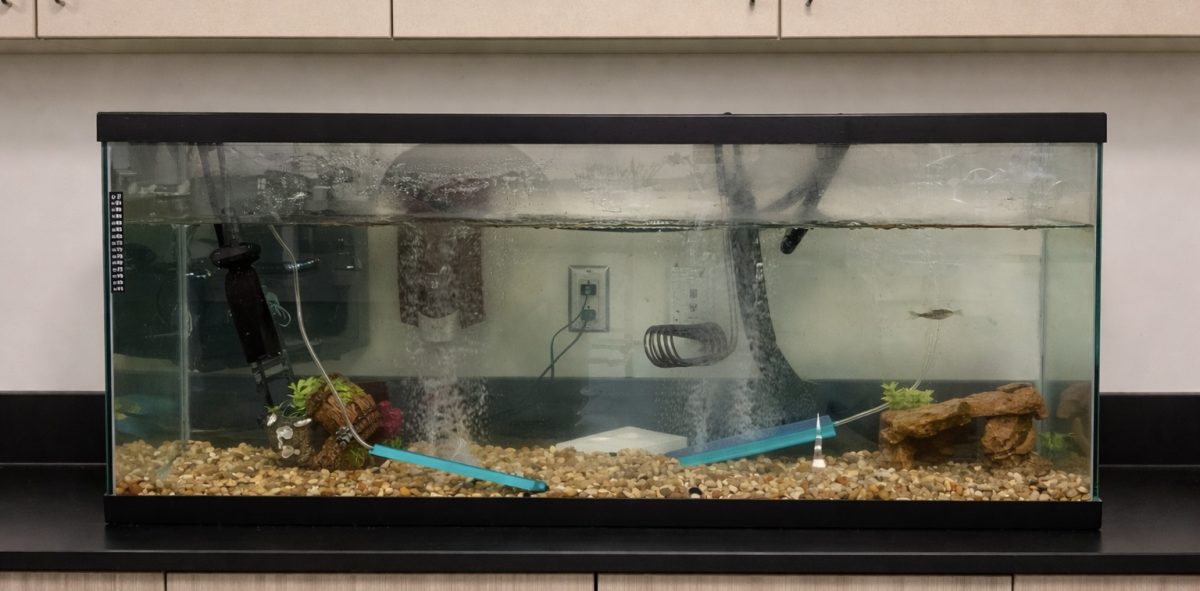
Some of that on-the-ground work has been put in by Silver Creek’s Environmental Club. The club allows students to work on sustainability goals which providesallows students a role in shaping Silver Creek’s ecological impact. From various experiments and labs, they are able to dive deeper into what it means to look at these impacts.
”It’s a way for [students] to act in a way that helps preserve environmental integrity at the school,” Nel said.
The club’s work doesn’t exist in isolation. Educators and program leaders see student-led environmental efforts as part of a broader, interconnected system.
“It’s all interconnected in the way that our Eco behaviors might just logistically make sense in the long run for the operation of a school or a district in general,” Nguyen said.
That interconnectedness is ultimately what sustainability advocates hope students take with them. For many the goal is less about any single initiative and more about sparking lasting curiosity and commitment.
“To be excited and curious about our natural world because there’s so much about humans in our world that is amazing, finding one way to make a difference, whether that hopefully waste reduction or some other environmental thing,” Nguyen said. “Just finding some connection and positive impact that they can make from whatever they learned from us.”