




![Hosting the SCLA Casptone Mentor Dinner outside allowed for more attendees on September 27, 2021 at Silver Creek. This event would’ve usually been held inside. According to Lauren Kohn, a SCLA 12 teacher, “If we have a higher number of people, as long as we can host the event outside, then that seems to be keeping every[one] safe”.](https://schsnews.org/wp-content/uploads/2021/11/sxMAIGbSYGodZkqmrvTi5YWcJ1ssWA08ApkeMLpp-900x675.jpeg)
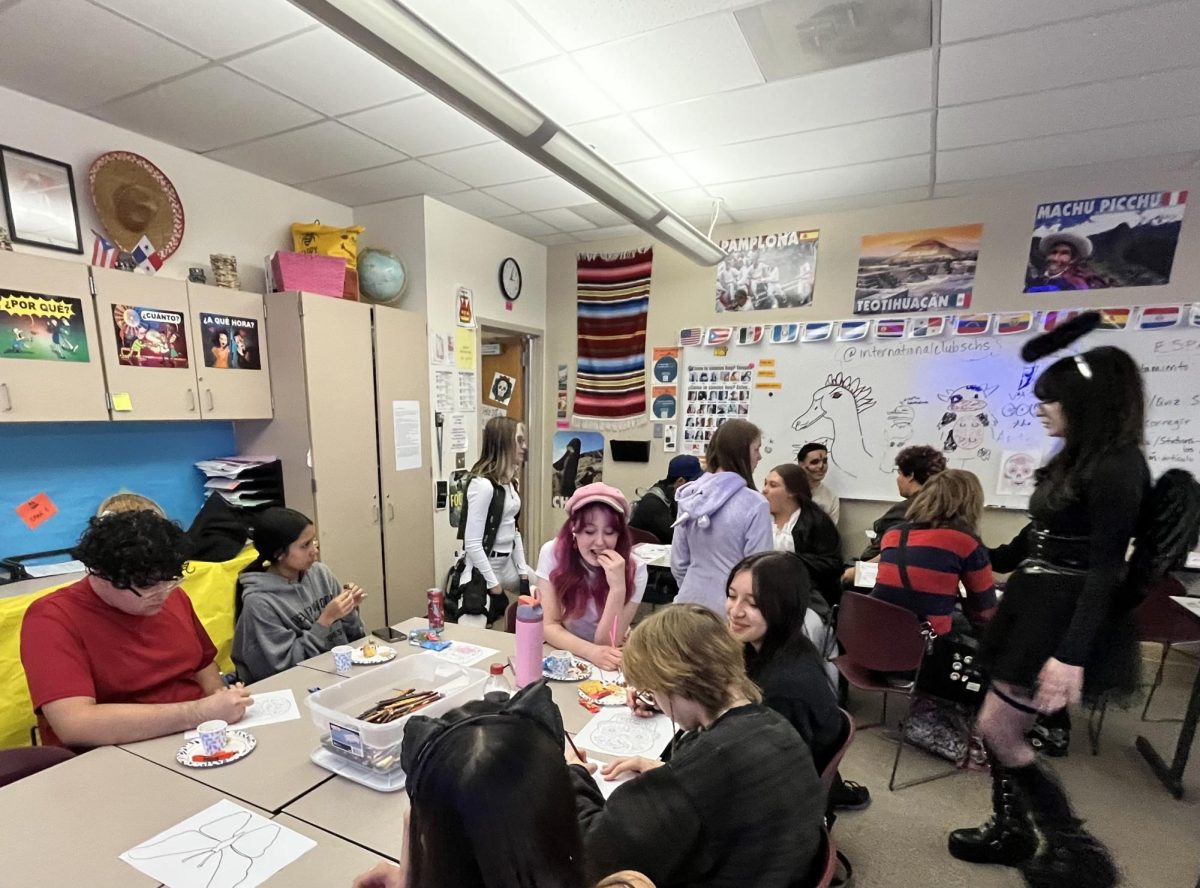

The Silver Creek feeder system celebrates community through various Unified programs. These programs bring together Special Education and general education students through athletics and the arts throughout elementary, middle, and high school.
A stand full of students and teachers alike, cheering and clapping as the ball bounces between sides of the court. It’s one of the most advertised games of the season: Silver Creek High School’s Unified Basketball versus the high school teachers. It’s fun for everyone, with students watching their favorite teachers score or get blocked, and with players enjoying a low-stress game where the point isn’t to win, but to simply play the sport.
This is only one example of how Unified activities—or activities for students in Special Education—can benefit everyone in the community. In 2013, St. Vrain Valley School District (SVVSD) implemented the first outside-of-school activity for students in Special Education at Silver Creek High School, which then paved the way for other schools in the district to open up similar opportunities for students.
Giving students who may need support with connecting with others a space that revolves around them and their well-being can allow them to be a more active part of the community. This includes not only the Unified environment, but the general population as well.
Activities like Unified Basketball can make students in general education get excited about Unified extracurriculars, and it can help alleviate social stigma between students. The growth of the SVVSD Unified program has been greatly influential for these students to find opportunities to be more connected with their school’s community.
Silver Creek High School
Most of the students involved in Unified activities are part of the Special Education program, where people with physical and learning disabilities can receive different support in education. Students in Special Education are often excluded from opportunities available to other students of the general population due to barriers such as social stigmas, funding, or access. The Unified program seeks to break down those barriers to allow students in Special Education the ability to connect with people both within and outside their own community.
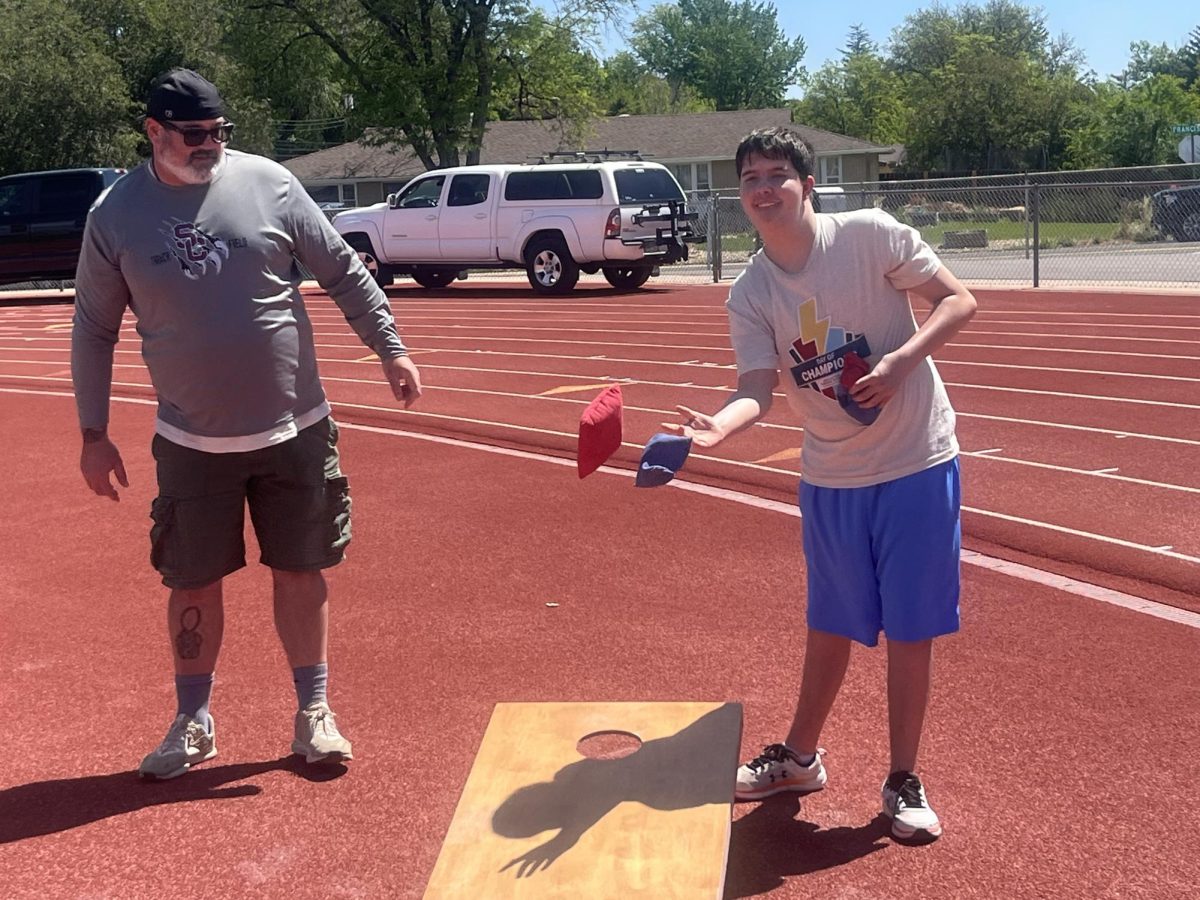
Unified at Silver Creek High School started in 2013 when Silver Creek Leadership Academy (SCLA) Senior Hannah Foster started the Day of Champions capstone project to celebrate sports for students with disabilities. Capstones are an opportunity for SCLA seniors to find a passion for helping the community through a project. Many of these capstones, such as the Unified capstone, are passed on through generations of seniors.
Nolan Gaccetta, Nathen Canfield, and Jaeger Lupberger are the 2025-26 seniors working on the capstone this year by being mentors to the athletes in Unified sports at Silver Creek in activities such as Unified Basketball and Unified Bowling.
At Silver Creek, Unified extracurriculars function with the combination of mentors and athletes. The mentors, such as Lupburger, Gaccetta, and Canfield, are the general education students who work with the athletes to help create an environment where athletes of all skill levels can compete and connect.
“We’re just creating a fun environment with them,” Lupburger said. “So we’re basically becoming one of the athletes with them, mentoring through it, giving them tips if they need it, and we’re basically just trying to have fun with it.”
The Unified program emphasizes competitiveness, relationship building, and participation, all in a school environment.
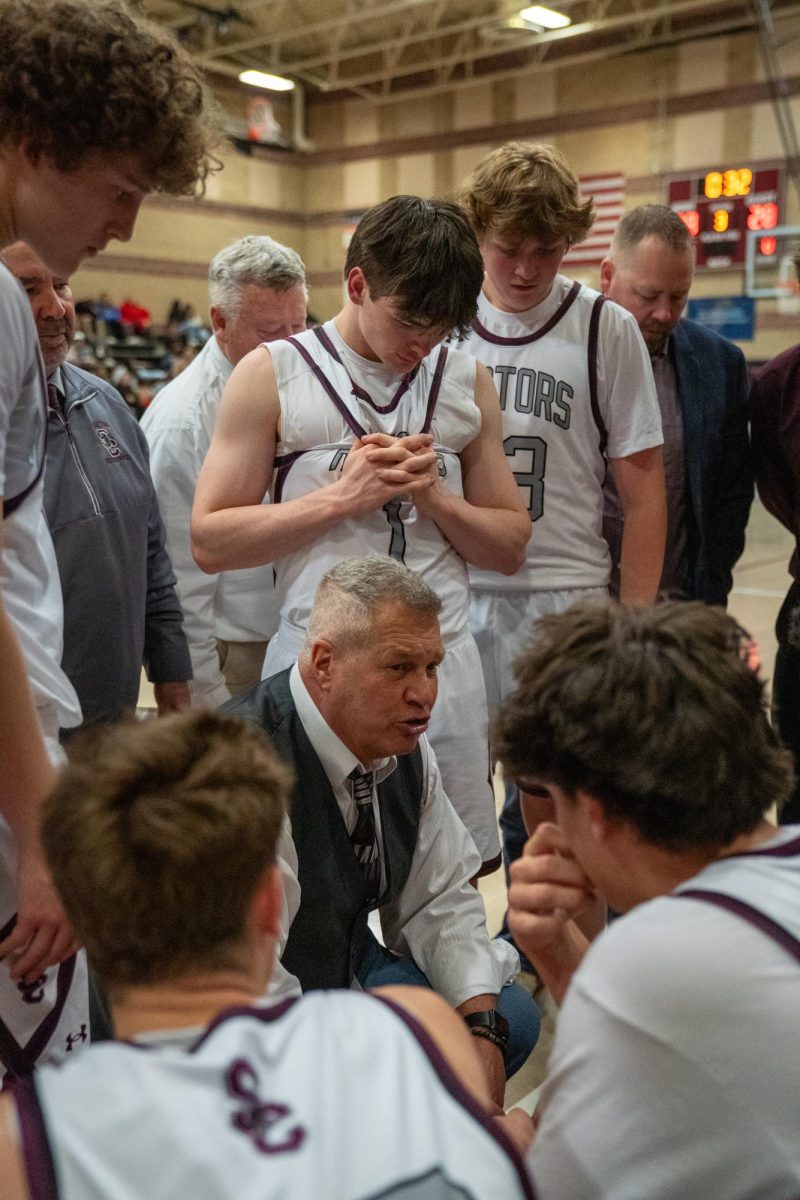
“For Unified Basketball, we have three athletes on the court at a time with two mentors,” David May, the Unified Basketball coach and P.E. teacher at Silver Creek, said. “The mentors are there to … help facilitate the game and keep things moving, and the athletes get to shoot, they get to pass, dribble the ball, the normal basketball stuff.”
These practices and games allow for students in Special Education and students in general education to interact on a more personal level that benefits everyone involved.
“[The program] brings together people that wouldn’t be together normally,” Lupburger said. “A lot of these athletes are in different classrooms than the normal ones except for electives … but when we bring mentors with the athlete, those two groups that might not come together, they’re able to create friendships that might not have happened if we didn’t have the program.”
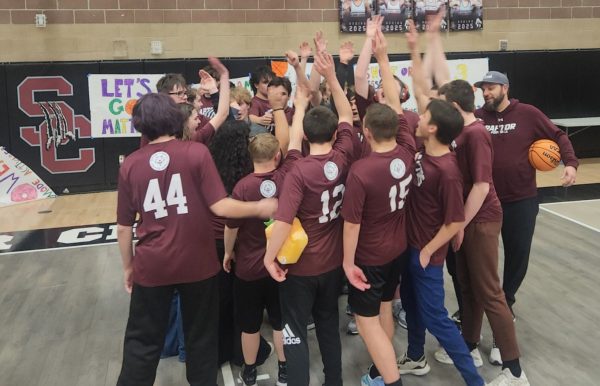
In Unified, the goal of creating relationships and fostering community is just as strong as the goal of simply learning how to play basketball, if not stronger.
“The focus is on kids getting out and getting opportunities to play, have a good time, and build relationships with other students in the school and relationships with others from different schools,” May said.
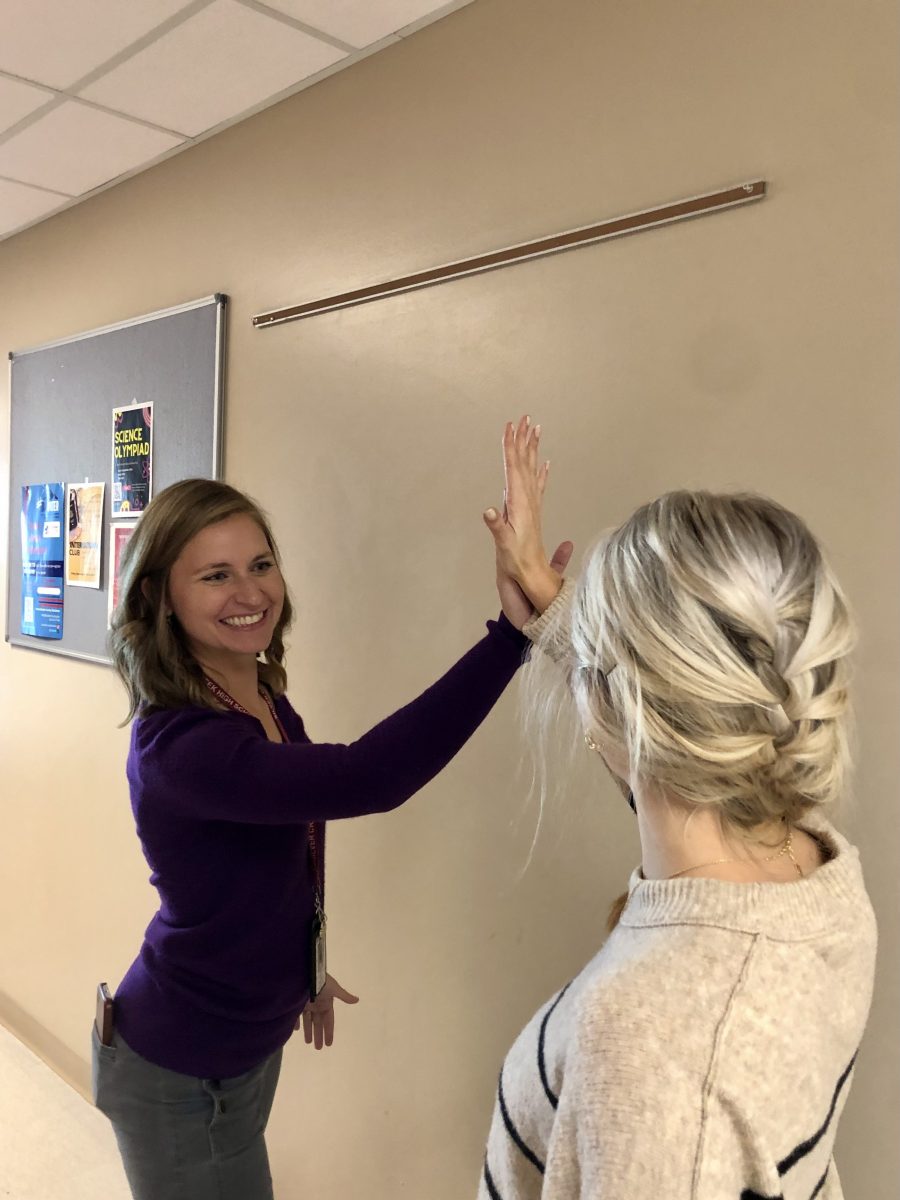
Every year, the Unified Basketball team takes on the staff at Silver Creek High School for a school-wide assembly to get students excited for the season. In Unified Bowling, there is a similar event at Centennial Lanes. The students invite staff by taking pictures with them with a sign saying, “Will you come to the staff bowling game?”
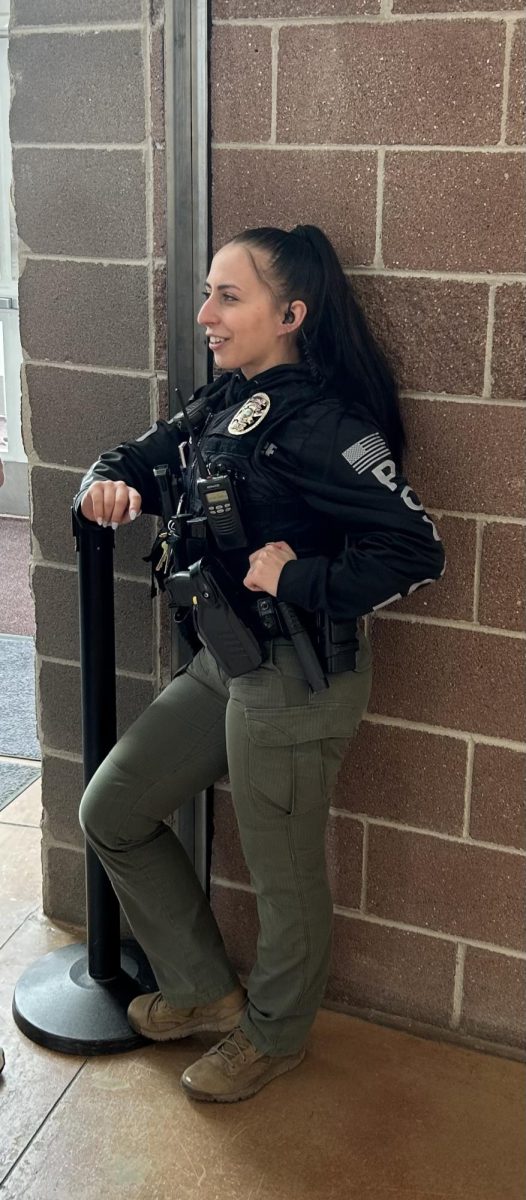
Similarly, there is an annual game where the Unified teams take on the Longmont Police Department in both basketball and bowling. These two games help the students feel more comfortable and involved with the general community.
Although the Unified Bowling season has already passed, the 2026 Unified Basketball season kicks off on January 8th when Silver Creek competes against Skyline High School. The rest of the schedule is posted here: Unified Basketball schedule.
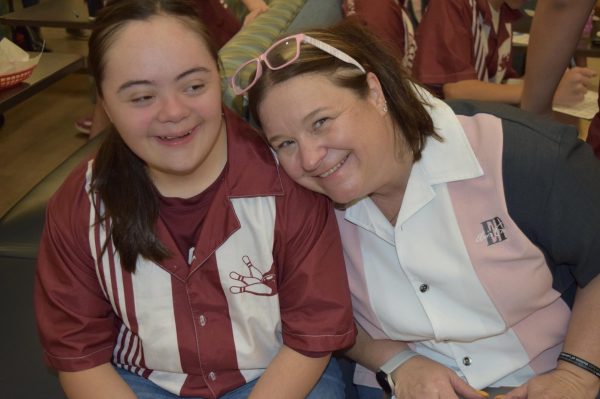
These connections between mentors and athletes are meaningful for both sides of the team. This can help bridge the gap between students in Special Education and general education, who are normally quite divided in a school environment.
”The mentors are sometimes even more beneficial for [the athletes] because they are giving back to them again and again, become friends with kids they might not have been friends with before, and also just being able to see the smiles and happiness they put on the athletes’ faces is the best reward of the program,” Ericka Pilon, the head coach for Unified Bowling, said.
Comprehensive P.E. (Physical Education) is another opportunity at Silver Creek that helps students in Special Education feel more comfortable in a P.E. environment. The class is offered during the school day, and it is provided for students with disabilities to expand their opportunities in a gym environment with specially modified sports.
Bradley Steward, a physical education teacher at Silver Creek, and Christopher Blair, a Special Education teacher at Silver Creek, helped design the curriculum for this class.
“The games are modified accordingly for the Special Education students, and the games have less and less emphasis on winning competitiveness and more on what we can do to celebrate our abilities,” Steward said.
The less competitive atmosphere allows for students with disabilities to have less pressure on them, reducing the stress that some Unified sports may cause.
The curriculum modifies games like basketball for students with physical disabilities by putting bungees near the basketball, allowing the ball to bounce while being pushed. They also modify the height of the baskets so it is easier for the students to shoot and make the basket.
Comprehensive P.E. creates an environment around the students’ wants and needs where they can feel more included in a space that revolves around them, as many students in General Education can feel secluded from their community.
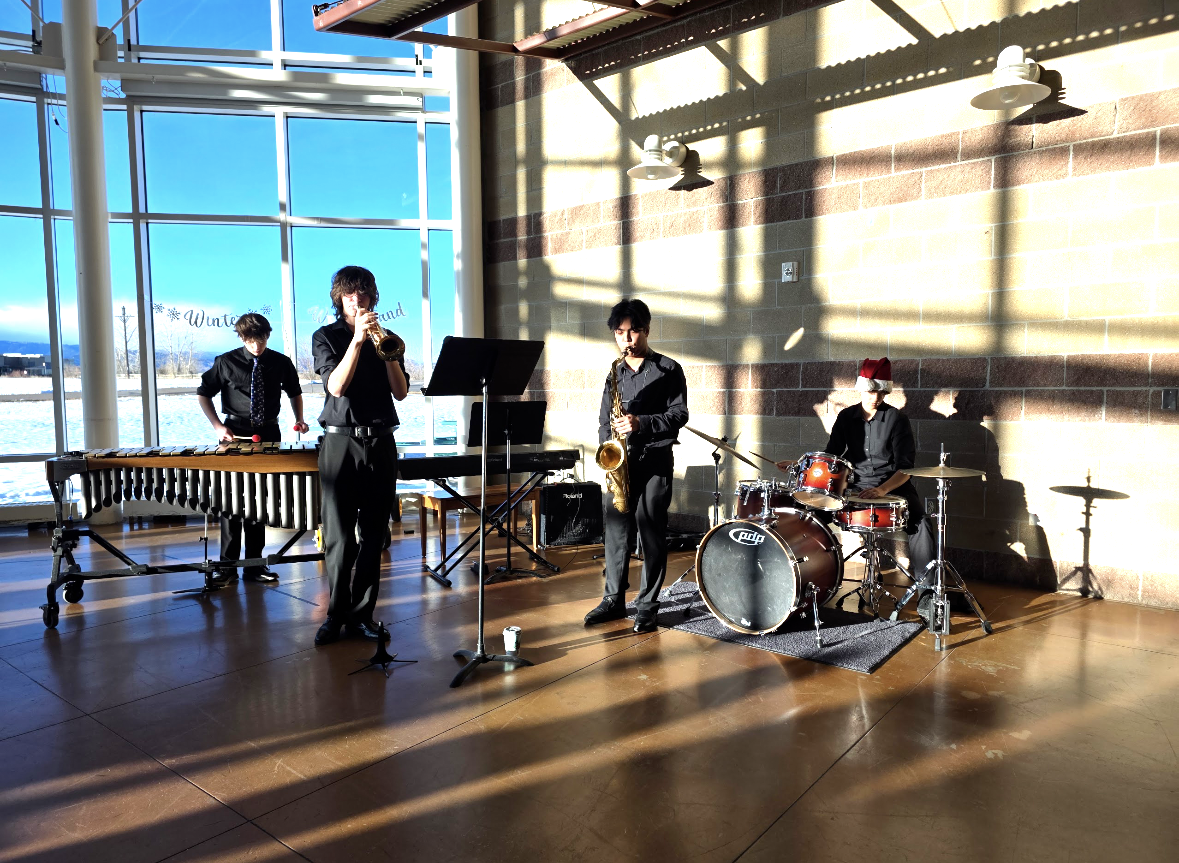
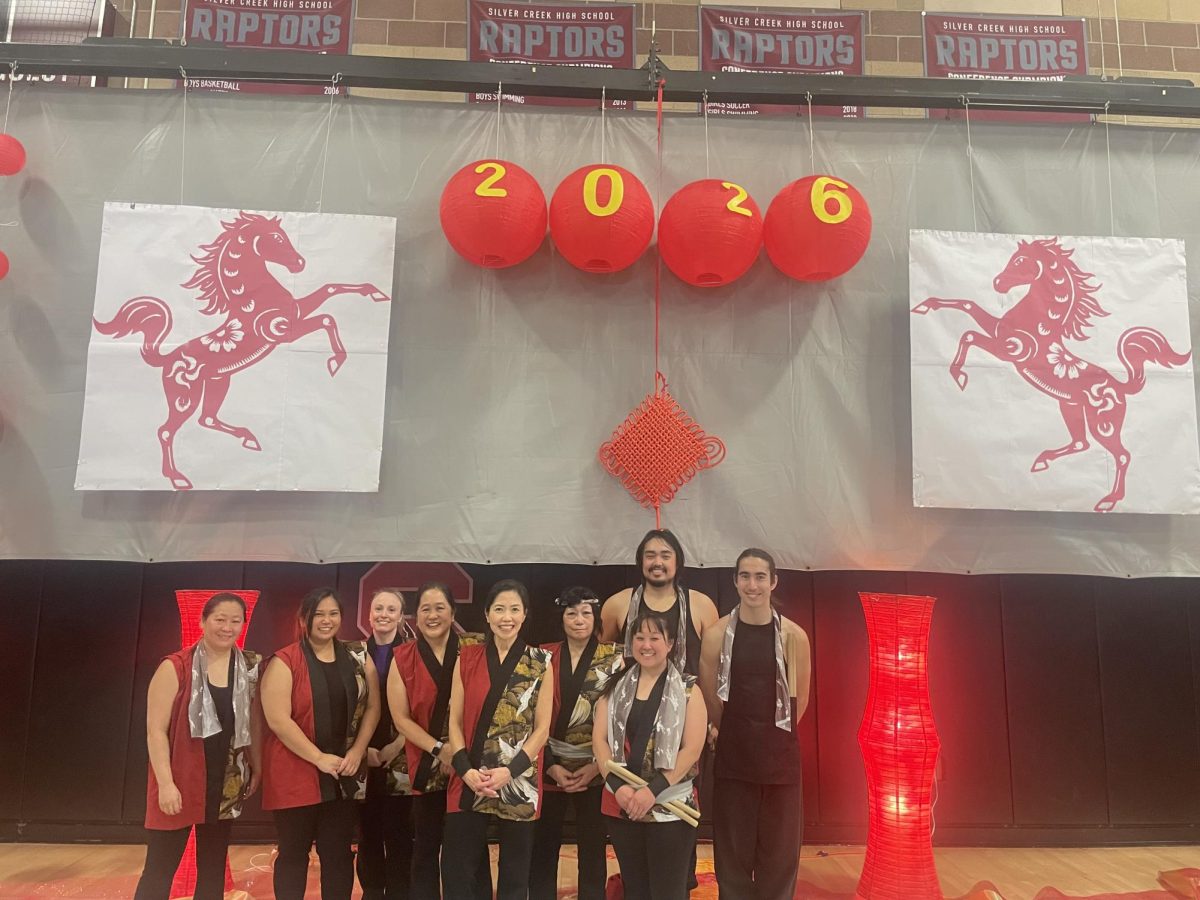
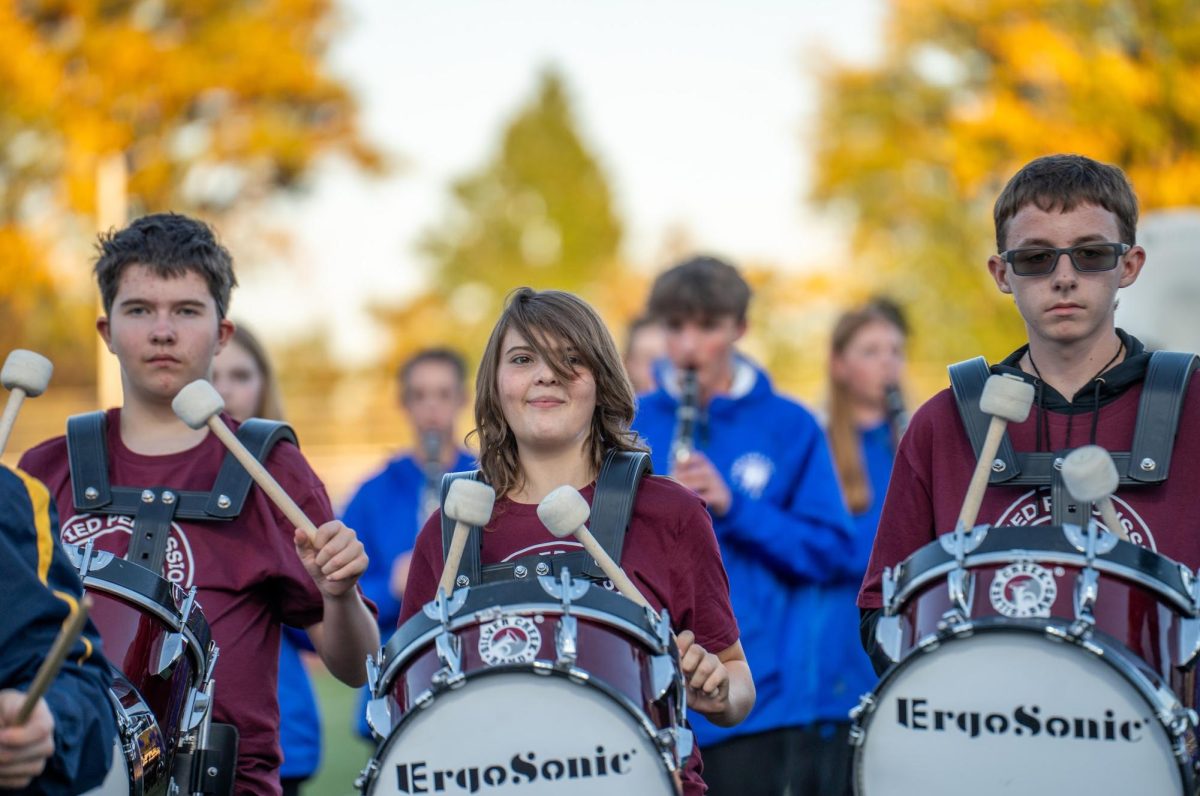
Unified sports aren’t the only activities offered for students with disabilities at Silver Creek; the Unified Percussion program allows students to venture into the arts. Unified Percussion was inspired by a program that started at Mead High School. With the establishment of the Unified program that already existed at Silver Creek through sports, it was easy to expand those opportunities to that of music and the arts.
“It’s really nice to get them involved in music and help them be involved in things everybody else is involved in,” Silver Creek senior Izzy Ammerman, a mentor for students in Unified Percussion, said.
Ammerman joined Unified Percussion as a mentor at the beginning of the program in the fall of 2022, her freshman year. Since the beginning of the program, more students have been involved, pushing toward the investment of new drums so Unified has its own set. This has allowed them to be more independent in the events that they perform in, such as St. Vrain Band Night, where both the Silver Creek Marching Band and Unified Percussion perform. They’ve also gotten investment for transportation for the students and their instruments.
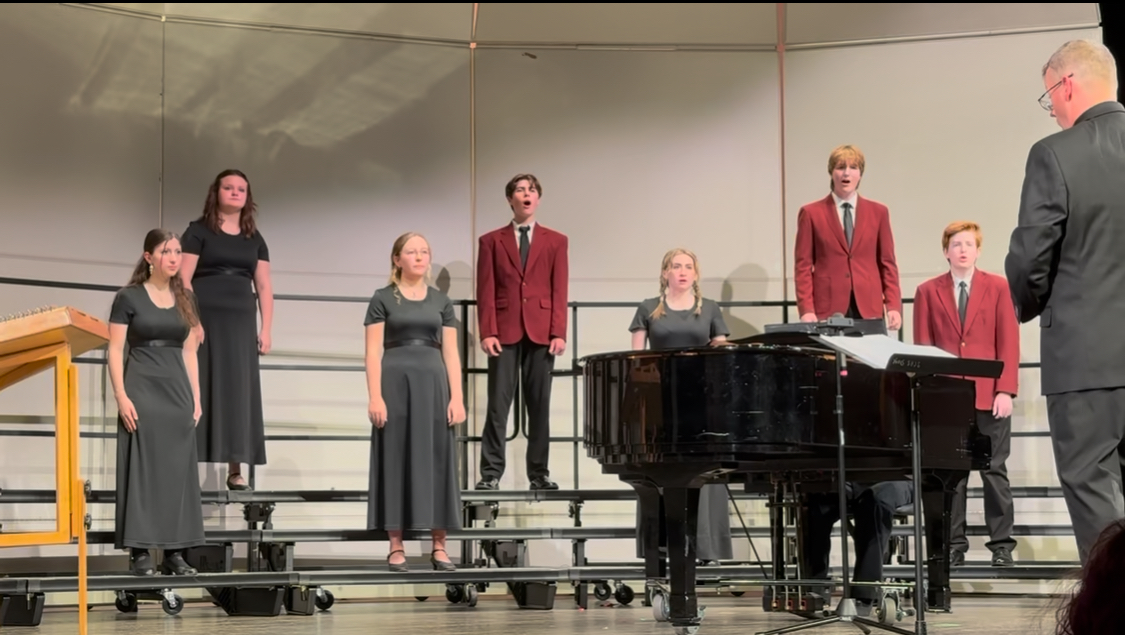
Outside of Band Night, Unified Percussion performs in the Winter Gala, an event that band, orchestra, and choir students use for funding, and in the Longmont Parade of Lights, among other smaller events.
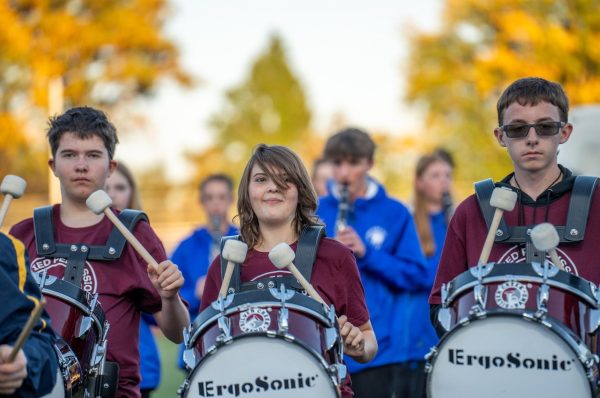
Francisco Melendez Guivas, a member of the Unified Percussion and Unified Bowling, said that the Parade of Lights has been his favorite part of Unified Percussion every year he’s been involved.
“Main Street was packed to the brim,” Melendez Guivas said. Feliz Navidad, the song they performed for the parade, was his favorite one to play and learn.
The existence of Unified activities outside of sports allows students, who may already feel limited to the number of activities they can participate in, to feel like they have a more diverse range of activities to pick from.
“None of us are monolithic,” Bill Legg, the director and administrator of Silver Creek Marching Band, as well as Unified Percussion, said. “We’re humans who have a lot of interests, and making sure that we have accessibility for people to explore and grow within those interests is important.”
Not only do programs like Unified Percussion, Comprehensive P.E., Unified Basketball, and Unified Bowling help the students involved build a stronger community within themselves, but they also make the school’s community as a whole more fruitful and diverse. Mentors have made genuine friendships with the people involved in Unified extracurriculars, and the myriad of shows, games, and performances that Unified programs encourage students to attend alleviate some stigmatization that can arise when groups of people don’t interact with each other.
“You try to be as close as you can [to the students],” Jaeger Lupburger, one of the mentors involved in the Capstone, said. “I feel like you slowly grow if you’re doing it for a whole year, doing bowling and basketball. You get pretty close with them if they decide to do both of those sports.”
Meeting people where they’re at, giving students a wide variety of different activities to do, and letting students perform in the same way as any other extracurricular are great steps that Silver Creek takes to improve not just the Special Education community, but the community of the school as a whole. The work that Silver Creek has done has also spread to other schools, such as the middle and elementary schools in the area.
Altona Middle School
“All means all.” This is the motto Altona Middle School’s teachers take to heart, especially in the Special Education community. The goal is not just to give students who may need more support help in a school setting, but to reduce the stigma between students in Special Education and the rest of the student population.
People with disabilities have historically been stigmatized in social situations, often stemming from the general population’s lack of education and exposure to different ways of life. Altona’s teachers push to alleviate these disparities between students, helping students in Special Education feel more connected to their community, and exposing students in general education to people with special needs so they aren’t afraid to interact with people different from them in the future.
Lydia Moore, a Significant Support Needs (SNN) teacher at Altona Middle School, describes how their Unified Club seeks to equalize disparities between general education and Special Education.
“If you don’t know if you’re not exposed to [something], it’s human nature to fear it a little bit,” Moore said. “That’s the piece for that safe space that is so important that we are exposing [students] to this clear-cut understanding that we are all humans.”
The Unified Club at Altona is unique in the way that general education students and Special Education students are both participating in the activity equally. Rather than having a mentor/student relationship within the program, Unified Club seeks to offer an equal space for all students to participate. It operates similarly to extracurriculars like Student Council, where students plan events for the school as a whole, though it also works on elevating every student’s voice rather than having it run by a few individuals.
“We take votes on everything; it’s all based on the majority of the group,” Tanya Whitteker, an Autism Spectrum Disorder (ASD) teacher at Altona, said. “It’s not something that we have one person leading … we all lead it. We all take turns.”
From planning dances, like the Spooktacular Social for Halloween, decorating for events, making T-shirts, and working on escape rooms, the community that these students build is integral to the meaning of the club. It’s beneficial for everyone involved. For students in general education, they make friends with a wide variety of students and have fun in the process. For students in Special Education, it allows them to feel more connected with the broader community, where they may have felt ostracized before.
“When [students] go outside of this wing and they go out, and about in Altona, they can be seen as another human that [other students] can talk to,” Whitteker said. “They can have those relationships with peers out in the cafeteria.”
Without extracurriculars like Unified Club, where students with and without disabilities have the opportunity to break down previous barriers of misunderstanding, the ostracization of students in Special Education can really affect their mental health.
“[Students] feel that sense of, ‘I’m different. I’m not like these other kiddos that are around me,’ and that is a very secluding, debilitating feeling that they have,” Moore said. “So we want to essentially right that wrong. Not that anything is wrong with the feelings that they have, but we want to give them that sense of community, not just with kiddos that are similar to them, but with all kiddos.”
Beyond Unified Club, Altona also offers sports for students in Special Education to participate in. What started with just a ball bouncing on a court is now evolving to sneakers on a dusty track and teams shooting hoops on the court.
Special Olympics offers Unified Basketball at Altona, though Whitteker states that they enjoy the district-level Unified Basketball program better. The district Unified Basketball offers a four-week season near the end of the school year, which paves the way for the sport to be run in a way that suits Altona’s needs better.
Like Silver Creek, Altona works hard to include students in general education in the excitement of Unified Basketball. They make sure it’s widely publicized for people to attend.
“We really try to get the whole school involved in a lot of that stuff for Unified Basketball,” Whitteker said. “If I have a home game, I try to pack the stands so that the kids really get it. And then we modify it because some of the kids are noise sensitive, so we do the crowd and the loud buzzing of the scoreboard.”
The atmosphere of the game is different, too. Unified Basketball makes sure to find enjoyment in the game itself, rather than focusing on wins or losses. That difference can make it even more fun for both the athletes and the audience.
“For us, it’s not about the score, it’s about the fun. I really like not keeping scores,” Whitteker said. “So when schools come from other places to us, that’s one of the things that we really enjoy … because [the] sense of community is not about the score, it’s about having fun.”
Whitteker has also found success in the Special Olympics track program that Altona implemented last year.
“It was the coolest thing ever,” Whittaker said. “It was modified in so many different ways that it was really beautiful. They hit all levels of [ability].”
The track program that Special Olympics offers opens doors for many more opportunities for students who may have issues in other sports. Even wheelchair-bound students can participate in a lot more active ways than they may have been able to do in other activities. Whitteker is excited to continue pursuing this program in the future and see what opportunities it continues to offer.
Bowling is another activity that the Unified Club offers occasionally to help build connections within the community, offering a fun activity to take a break from the work that the club does for the school. Although it’s not a sport on its own just yet, the ability to have an activity like that in the Unified Club demonstrates just how diverse the club is in its opportunities.
“It’s just blossomed into this whole StuCo. We plan and do a bunch of things, [and then] outings and adventures, and it’s awesome,” Whitteker said. “After we plan socials, we get the kids together. Two weeks ago, we went bowling. We had 20 kids there at the bowling alley, all just engaging and eating and laughing.”
Altona offers so many opportunities for students to feel involved with the community; even if your student has a physical or intellectual disability that may require more support, they will still have the same opportunity to be just as active in the community as any other student.
“Our whole motto is ‘All means all,’ and it’s not just words,” Moore said. “You see it with different activities that we have after school, with the way that you see kiddos communicating with teachers in the hallway. It’s very much a state of being. It’s not just words that we say every day on the announcements; it’s something that we really try to embody.”
Blue Mountain Elementary School
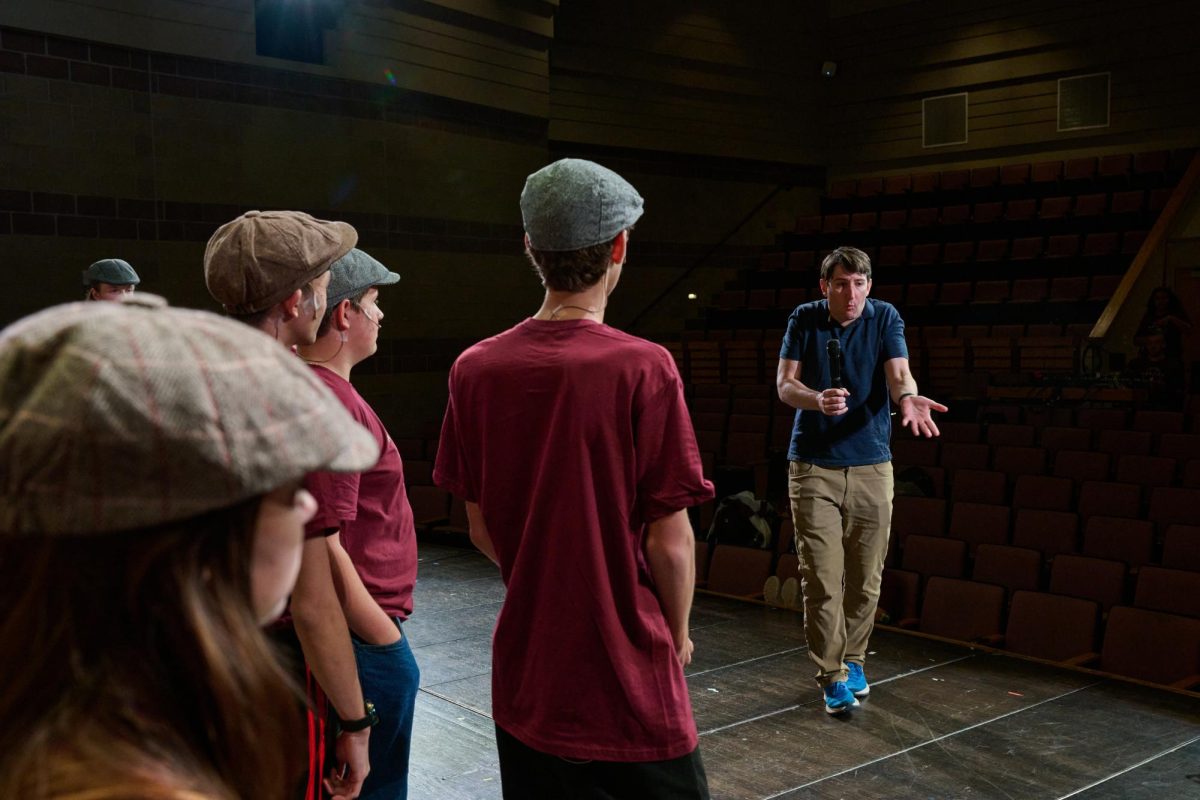
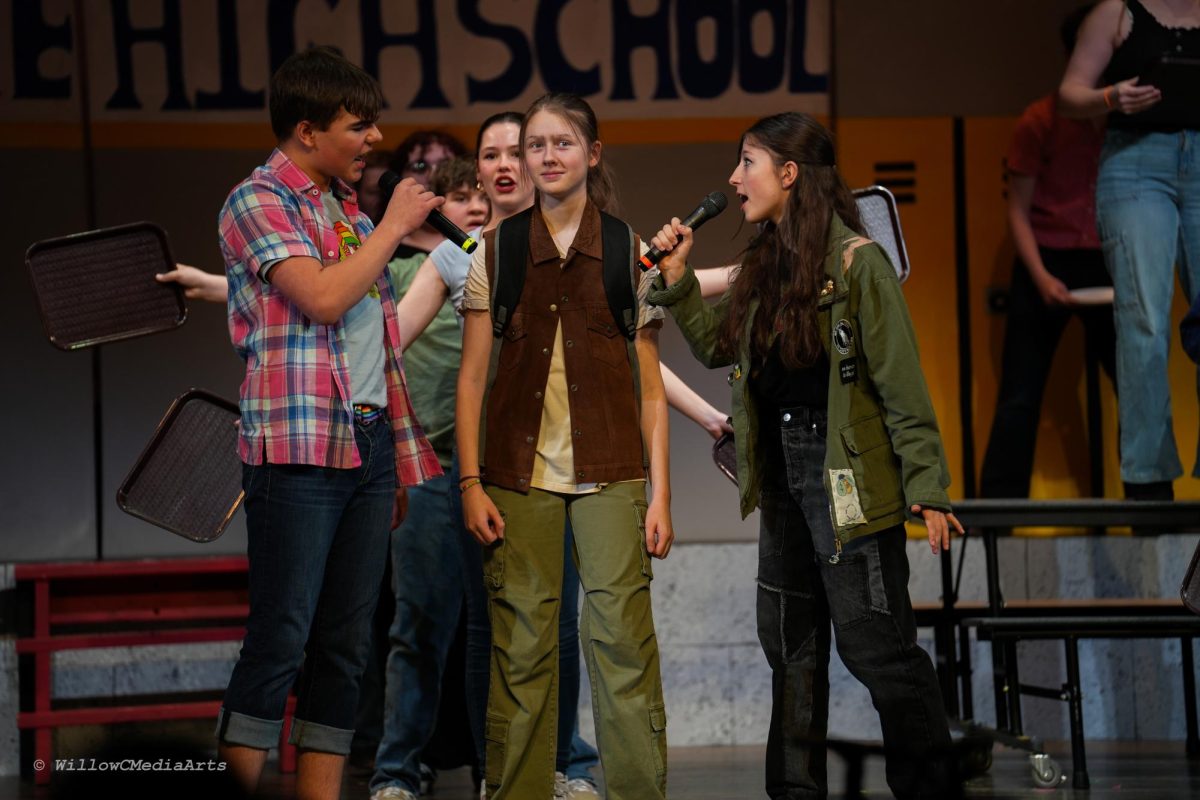
Over the course of the Fall 2025 semester, Blue Mountain Elementary School’s Special Education students have been creating a play called “Under the Sea in 1973”. The students not only came up with the idea for their play, but they also created the costumes and wrote the script.
Blue Mountain doesn’t have a Unified program due to the drop-off and pick-up system for parents before and after school; this system doesn’t allow for Unified activities to be after school, and so to get students with intellectual disabilities involved, they include activities during the school day. They use “project-based learning”, a system that tries to move away from testing; they give the students projects instead, and in this case, it’s a play.
“The reason why we do project-based learning is that school structures can feel like a square and it has a specific way of teaching, but some of our students are stars or triangles, they’re not going to fit in this system,” Brittany Lisonbee, one of the Special Education teachers at Blue Mountain, said. “What we do in this system is we help these different shapes fit into our school program and environment.”
The students have been working on “Under the Sea in 1973” since the start of the semester. Now, when they perform this play, the students don’t have to memorize the script that they helped write, but instead, the students will read the script, and the lines will be on the screen when they perform the play. This allows the students not to feel pressured or overwhelmed on stage.
“Not a lot of the kids are confident in their writing abilities, so what I do is they collectively tell me what to write on the script,” Lisonbee said.
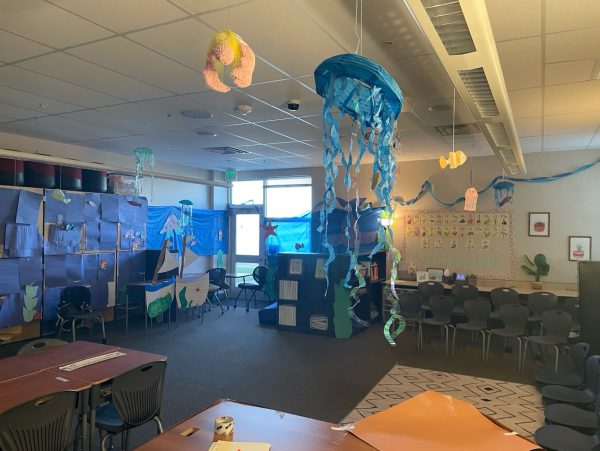
This flexibility and freedom allow the students to convey their thoughts without worrying about how it’s written down on paper.
The play is about divers who go swimming in the ocean, who then see and find a turtle that’s caught in a net, and the divers come and free it, but during this time, they stumble upon magic stones that let them hear the other animals and what they are saying. The students then learned how trash ends up in the ocean and how it affects animals, ultimately gaining the knowledge of how to protect the earth from trash.
“[With the play], my students are more engaged with writing, and they’re more confident with speaking to the class,” Lisonbee said. “They also participate more and take pride in their work; they have overall grown because they are in this system.”
The Special Education class is not the only option available for students with learning disabilities at Blue Mountain; there is also a high needs class. This class is for students who may struggle with tasks like reading, writing, and doing math. The class is taught by Carrie Starks, who has been teaching Special Education for over 25 years.
“It’s important for students with high needs to be able to be seen, heard, and feel safe in a classroom setting,” Starks said. “Oftentimes when kiddos don’t have the communication that we have, they don’t know what they want to do, but in the end, they sometimes just need more time to think and to process, either by giving them a talking device or pictures to communicate with.”
These classes try not to exclude students with learning disabilities from the rest of the school community. Even though students may feel more challenged than the rest of the population, teachers work to include them as much as possible with the general community, which has helped the students develop their speech more than if they had only had the support from their teachers.
The 2025-2026 school year is the first year Blue Mountain has had specialized books for students, which include pictures for students who may have hearing disabilities or who have other needs in regards to reading. This program was specifically created for Starks’ students, though the district is working on spreading similar projects to other schools.
“Each student has their own designated area so they can focus on what they need to be successful and what they need to be learning,” Starks said.
The growth since this specialized reading system started has been incredibly clear to the teachers working in Special Education at Blue Mountain, as they have seen the progress over their careers.
Schools throughout the district like Blue Mountain, Altona, and Silver Creek have seen excellent growth in their programs for students with special needs. The money and effort that is put into these programs is not something that should be looked over, as it’s helped hundreds of students feel like they have a more comfortable place in their school environment.
Students with special needs should not feel like they are left out of their community just because of their disability, and the progress these programs are making is incredibly influential in fostering a community with all students, regardless of physical or intellectual ability. Hopefully, as these programs continue to grow, the gap between general and Special Education will continue to close.
Whitney Mires • Jan 16, 2026 at 3:13 pm
What a well-written overview of the variety of programs we offer in our feeder system. So proud of you all and of our incredible Unified and special education staff and students!
Mrs. Pilon • Dec 20, 2025 at 9:39 am
This is an amazing article. It is so well written with so much wonderful information. Well done.
Lilly Wetzel • Dec 18, 2025 at 10:45 am
I’m so proud of you guys