










![Hosting the SCLA Casptone Mentor Dinner outside allowed for more attendees on September 27, 2021 at Silver Creek. This event would’ve usually been held inside. According to Lauren Kohn, a SCLA 12 teacher, “If we have a higher number of people, as long as we can host the event outside, then that seems to be keeping every[one] safe”.](https://schsnews.org/wp-content/uploads/2021/11/sxMAIGbSYGodZkqmrvTi5YWcJ1ssWA08ApkeMLpp-900x675.jpeg)
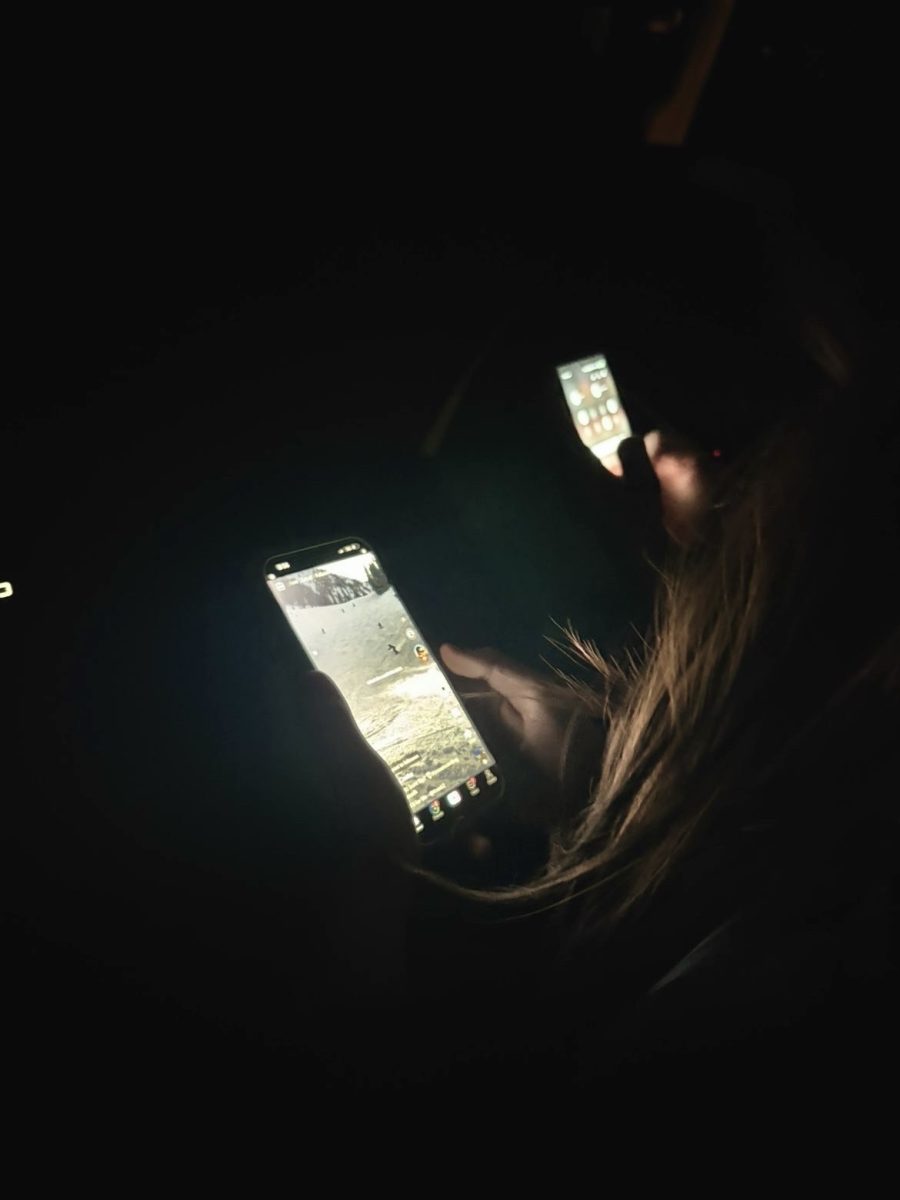
Social media. The platforms that appear to structure our lives and control our every move. Social media seems to consume us, taking away from the purity of everyday life.
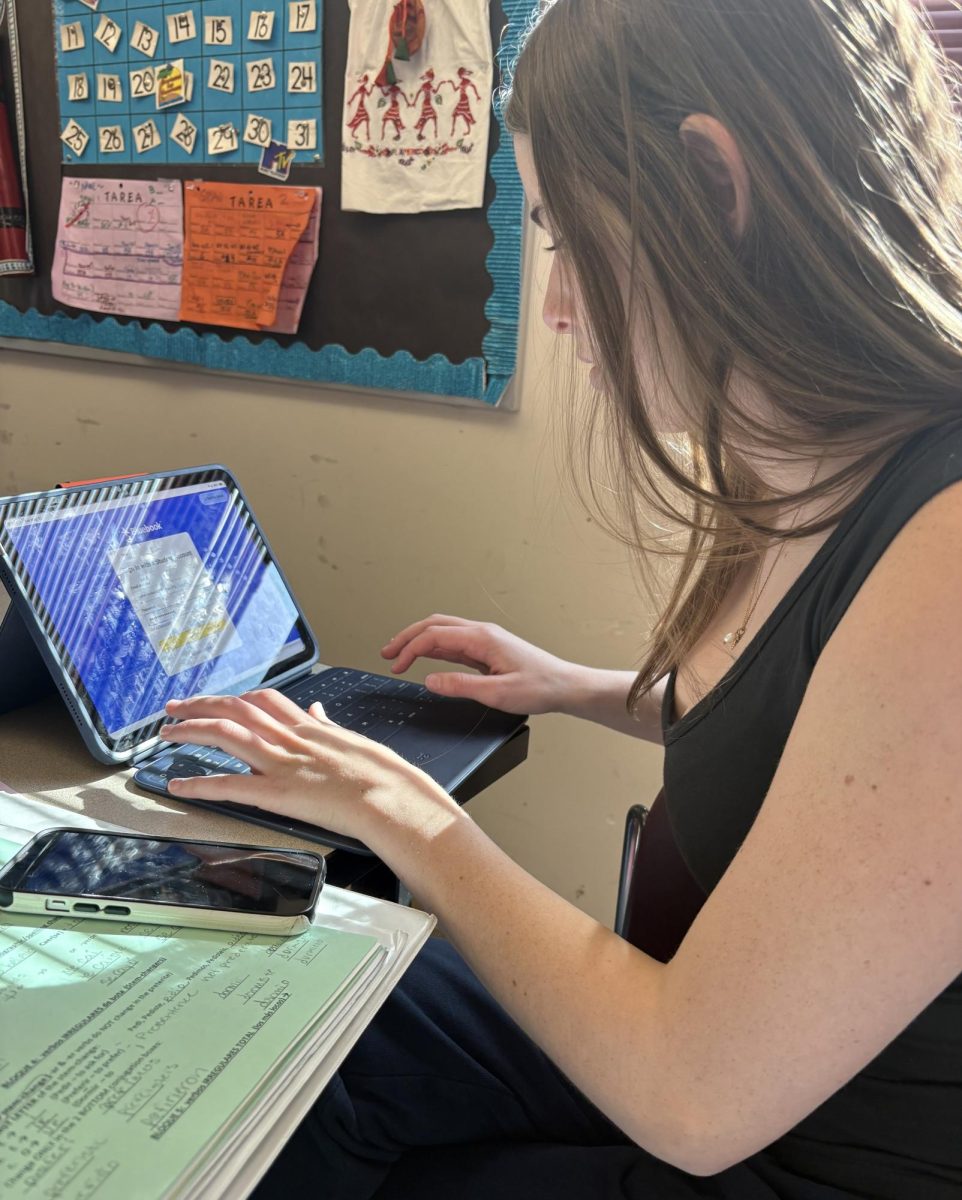
Since 2020, social media usage in teenagers ages 13 to 17 has risen drastically, with nearly 95% of teens using social media and about 33% reporting almost constant use of these platforms. Social media platforms are widely used, and are incredibly popular with not only teenagers, but many other age groups.
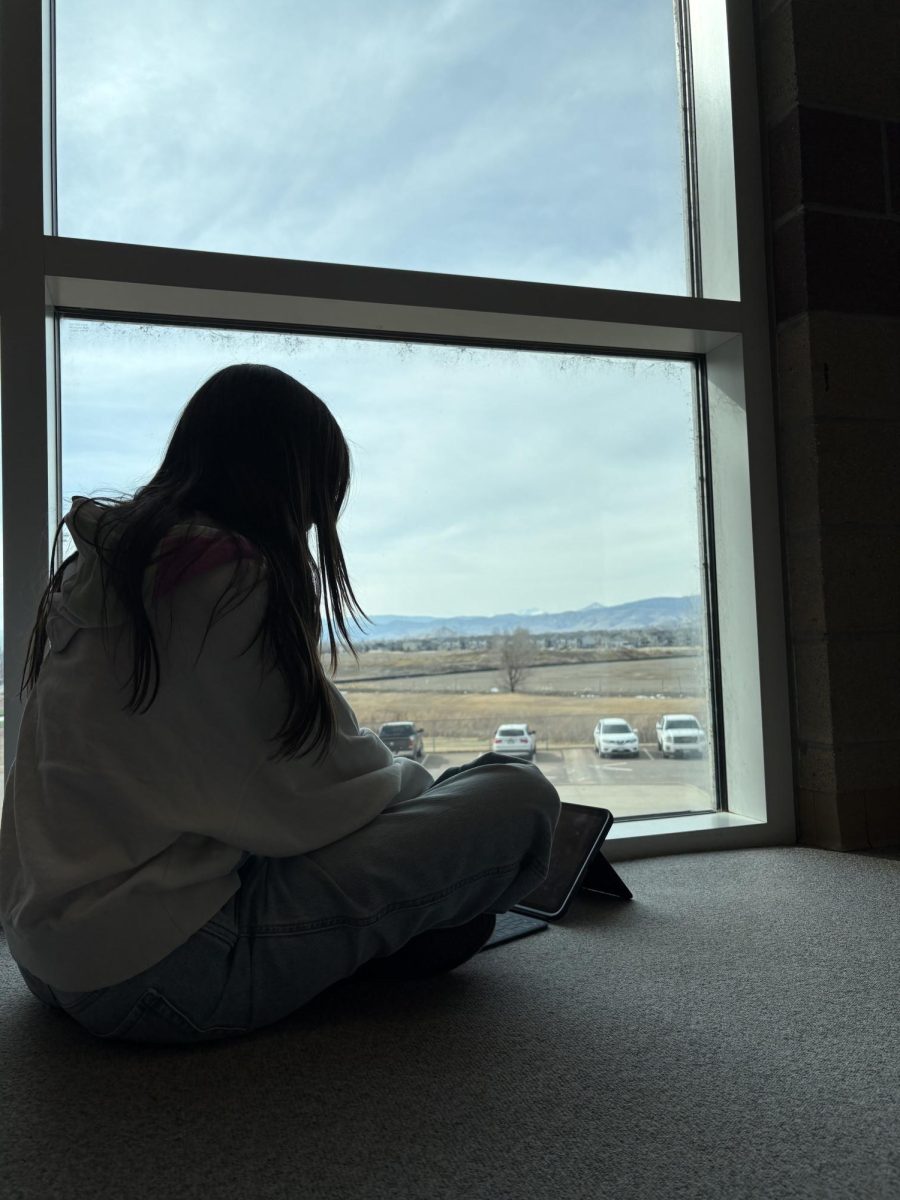
Even though social media is so popular, many teenagers believe that its use has harmed their mental health. Social media can be like a maze, constantly leading you down into a tangent, making you believe you have to change yourself to appear different to people online. The constant web of deception, creating unrealistic expectations that force teens to almost compete, in a way.
Charlotte Kelley, a sophomore at Silver Creek High School (SCHS), is a social media user, and understands the drawbacks of using social media; however, she also sees it as a positive thing.
“I do spend time on social media, and I use TikTok, Snapchat, and Instagram,” Kelley said. “Social media is a public display of who you are, and there is definitely pressure on what you put out there and how it’s perceived. I think it’s a personal choice to put yourself out there or not.”
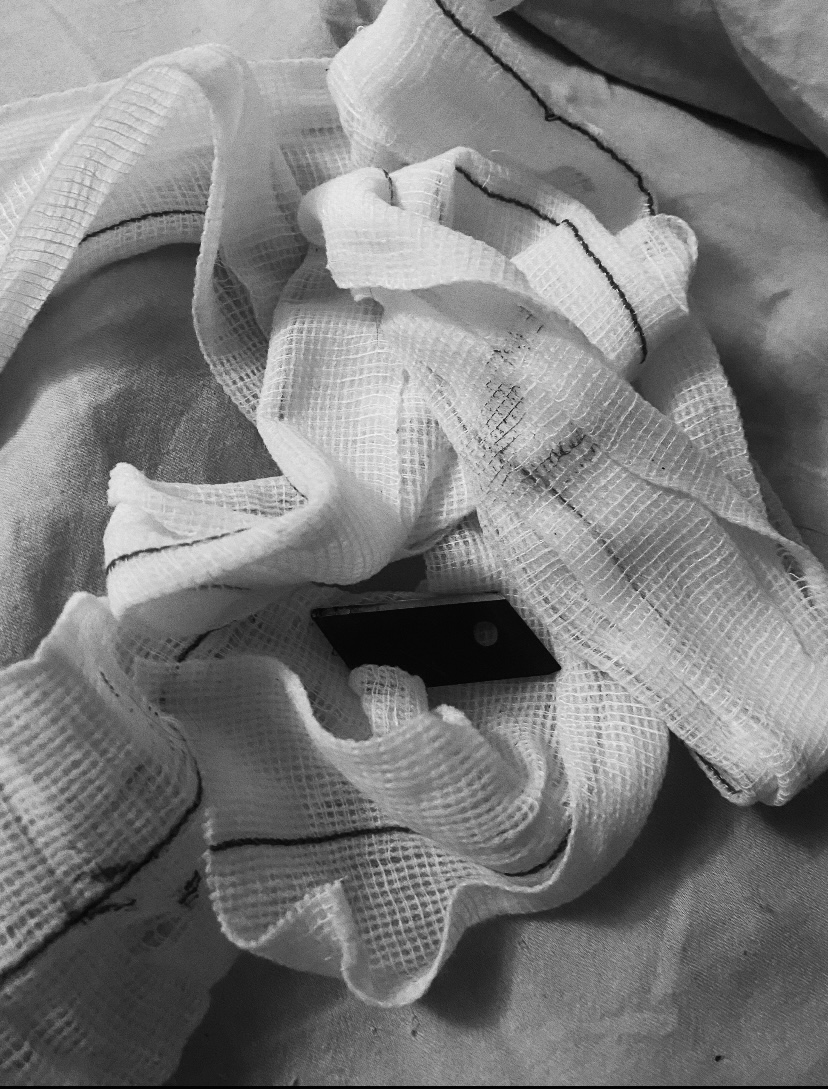
Social media can be a damaging tool, creating expectations that can lead teenagers to believe there is a constant need for competition and being connected. The overwhelming pressure can contribute to mental health issues, which are prominent in the ages from 13 to 18.
Seeing your peers, and their seemingly perfect lives, leads to the pressure that is seen in daily lives. Social media can be one sided, showing sides of people’s lives that might not truly reflect reality. When you see people, with the ideal clothes, travel, friends, and gatherings, it’s common to lose confidence, and look at others like their lives are perfect, when truly, we don’t know the full story.
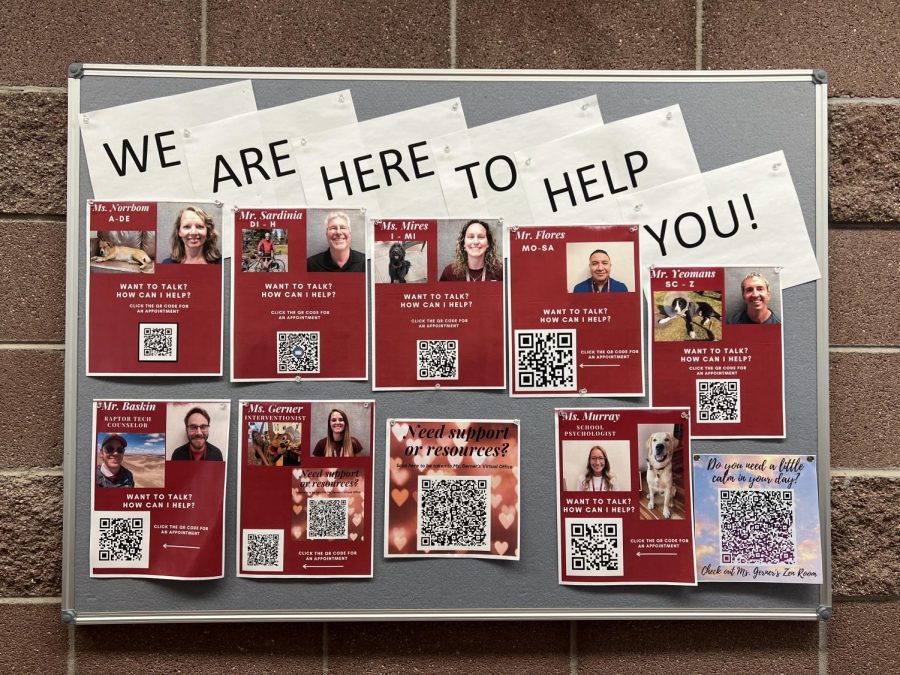
Whitney Mires, a counselor at SCHS, points out that students feel a need to always be connected and are drawn to social media with its content and appeal.
“Screentime, specifically social media, has been shown to impact dopamine levels. This is the feel good hormone that everyone seeks, and we develop a tolerance with more stimulus,” Mires said. “So the more we consume, the more we need to have the same effect. This is especially troublesome for teens whose brains are still developing.”
The feeling of constant pressure and comparison can be overwhelming and can be a major component in mental health issues. Because it isn’t a demonstration of people’s real lives, it can create opinions and perceptions.
Evie Knapp, a junior at Silver Creek High School, is a different example. Evie has social media, but doesn’t post, which demonstrates a lesser risk for overwhelming pressure; however, she still sees the downside to social media and its risks.
“I mostly spend time on TikTok and Instagram, but I do not post on social media, so I don’t really feel much pressure,” Knapp said. “I can definitely see how social media can be damaging, and detrimental to teens’ mental health, creating super overwhelming scenarios.”
The appeal of technology can be linked to heightened anxiety, with the need to be constantly connected, and other psychological and emotional issues, like depression and personality disorders. Although we feel the peer pressure to be online more and more, it’s important that we prioritize our lives outside of the web of technology. With undeveloped brains and the formation of new friendships and connections, it’s crucial to remember that social media is a mask, not a reliable view into the real world.