



![Hosting the SCLA Casptone Mentor Dinner outside allowed for more attendees on September 27, 2021 at Silver Creek. This event would’ve usually been held inside. According to Lauren Kohn, a SCLA 12 teacher, “If we have a higher number of people, as long as we can host the event outside, then that seems to be keeping every[one] safe”.](https://schsnews.org/wp-content/uploads/2021/11/sxMAIGbSYGodZkqmrvTi5YWcJ1ssWA08ApkeMLpp-900x675.jpeg)

From solving complex problems to diagnosing diseases, Artificial Intelligence (AI) is quickly becoming an integral part of everyday life. Yet in schools, its role remains uncertain as students and teachers alike try to decide what’s acceptable, what qualifies as cheating, and what role AI will play in the future of education.
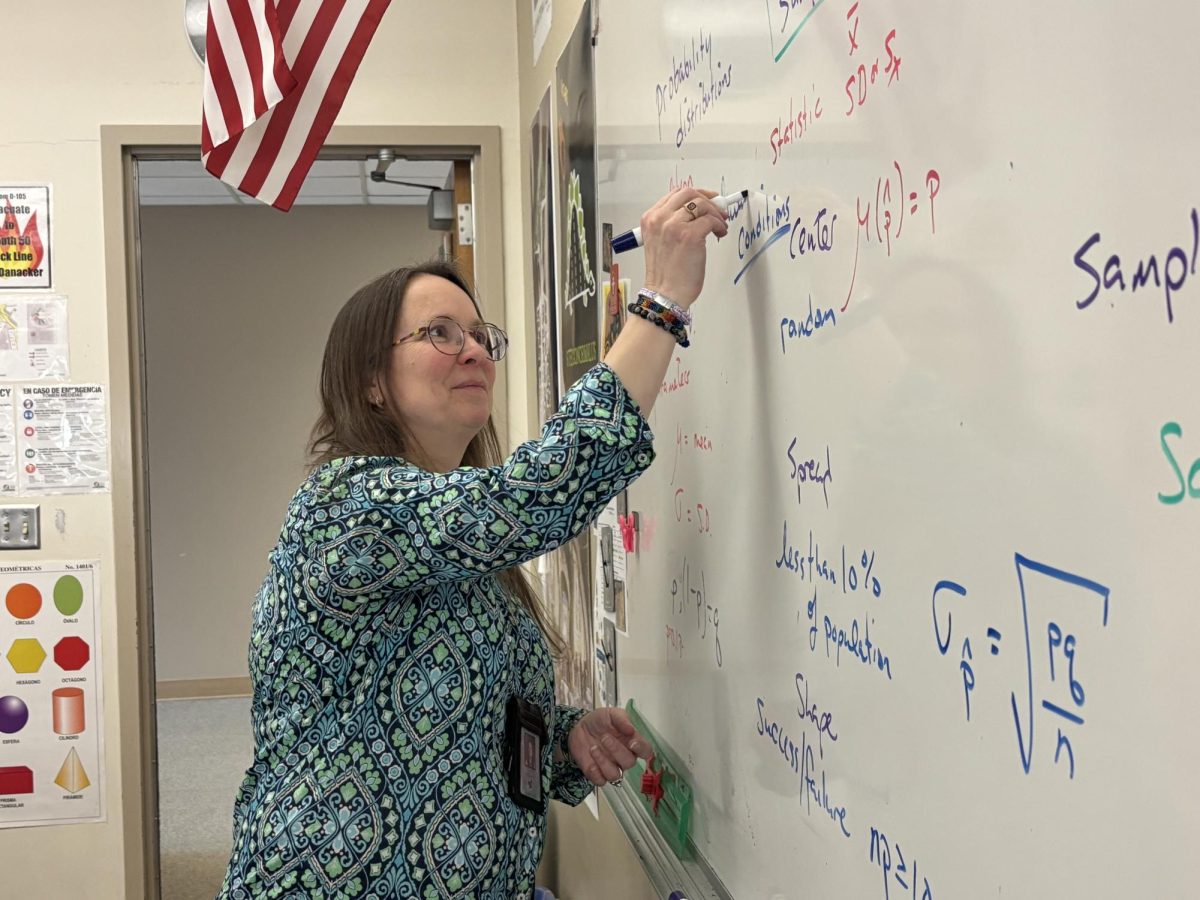
AI, like anything, comes with a plethora of pros and cons. Since AI has become so prevalent in schools, it has made teachers and students adapt to its increased usage. Justelle Grandsaert, a history teacher at Silver Creek High School, has had to take a new approach to making assignments.
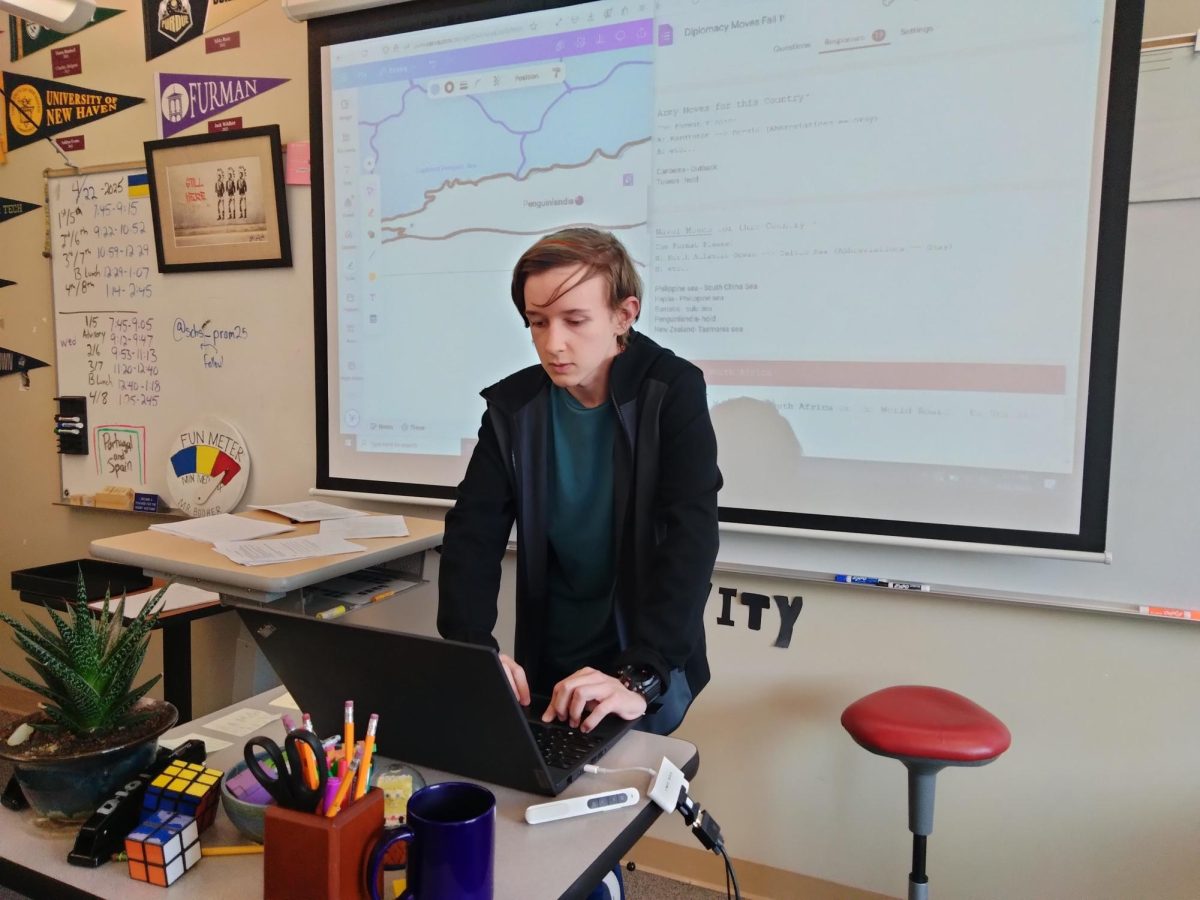
“AI has also forced teachers to be really creative about our assignments, so some assignments I’ll do just on paper to pencil with no iPad, no phone, no computer, just because I need their direct thoughts,” Grandsaert said.
Grandsaert has to take these measures to try to lessen the possibility of students using AI to complete the work she gives. She tries other tactics too, such as letting students know they will get a zero if they get help from any AI or making assignments that have to be done in-class. Being a present teacher, walking around and engaging with the students can help keep them from using AI.
“We need to be able to detect plagiarism, and now it’s harder and harder, because everything has a link that says it’s 90% AI generated,” Grandsaert said. “It’s hard to tell if it is or not.”
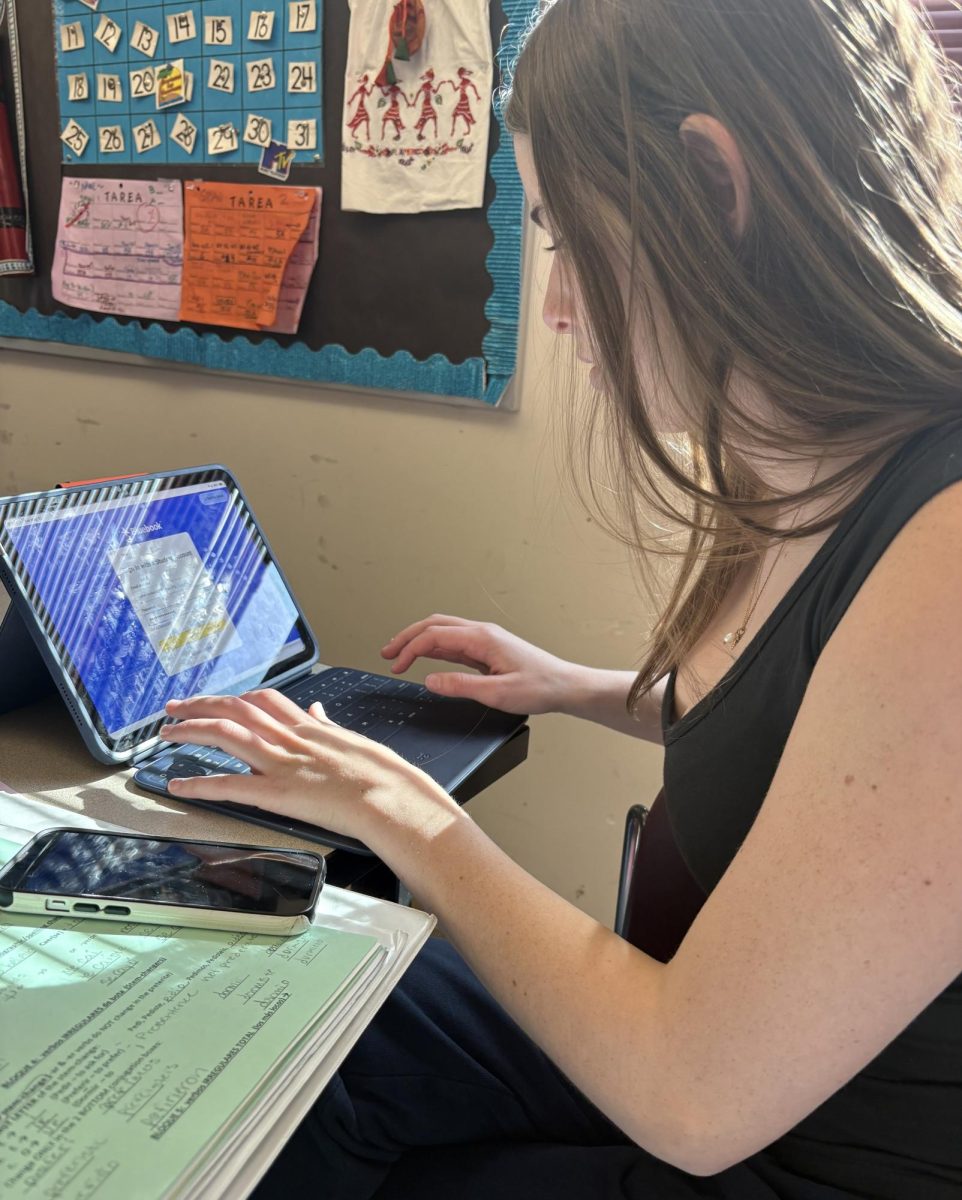
But AI has its uses in the classroom. Gaby Alelgria, a Sophomore at Silver Creek, mentioned how AI is useful in gathering information and ideas for new projects.
“Asking [ChatGPT] to help you brainstorm ideas, to summarize an article, for example, so [you] can understand,” Alegria said.
AI’s utility not only comes in handy for students trying to organize their thoughts like Alegria, but also can be used by teachers in responsible ways. Making warm-ups and activities using AI are just a few examples of ways AI can be used in school. Grandsaert said she and some other teachers even got training on how to use it in their classrooms.
“District officials have come in sometimes and showed us different ways we could use AI in our classroom,” she said.
Grandsaert also explained how AI can be beneficial to students, saying it can be a good starting point for their ideas if they’re struggling to get started. Mason Freeman, a Senior at Silver Creek, shared that point of view saying that AI can be a good tool for organizing thoughts.
“Especially in subjects where you’re struggling or something you don’t get, it can be motivating to use AI to understand those things,” they explained.
But in their opinion, it’s often used irresponsibly by students. Not only this, but they talked about how this irresponsibility can be very discouraging.
“It can be very demotivating to just have something do all the work for you. And that kind of defeats the whole point of doing the work,” they said.
Freeman’s comment demonstrates a worry shared by many. As artificial intelligence becomes more advanced, many people are concerned about its place in the future. While AI can make tasks easier and more efficient, it also brings up questions about creativity and effort.
“My biggest fear is that it creates a generation of people who aren’t thinking for themselves,” Grandsaert said. “I’d like people to use their brains more.”
In education and in nearly every aspect of our lives, artificial intelligence is becoming more and more influential each day. Some people see it as a valuable tool that can enhance learning, while others share a concern that it might replace genuine effort and creativity.
“It feels like this vast sphere out there,” said Grandsaert. “[We] especially [need] ideas of how to use it more as a tool rather than something we’re scared of.”
As AI and the boundaries around it are constantly evolving and changing, the question may not be whether we use it, but how we choose to use it responsibly.